
Pigmentation is one of the most common concerns clients raise in skin clinics and spas. Whether it appears as sun spots, uneven tone, melasma, post-inflammatory marks or general dullness, pigmentation can affect how clear, bright and balanced the skin looks.
For Australian clients, pigmentation is especially common because of our high UV exposure. Even when clients invest in professional treatments, ongoing homecare and daily sun protection are essential for maintaining visible improvements.
Two ingredients often discussed in brightening skincare are bearberry extract and vitamin C. Both can support pigmentation-prone skin, but they work in different ways. For clinics, spas and skin professionals, understanding the difference can help guide more confident retail recommendations and better client education.
Why Pigmentation is a Common Concern for Clinic and Spa Clients
Pigmentation occurs when the skin produces excess melanin, the pigment responsible for skin colour. This can happen for several reasons, including sun exposure, hormonal changes, inflammation, skin trauma, acne marks and the natural ageing process.
Common forms of pigmentation include:
- Sun spots, also known as solar lentigines
- Melasma, often linked with hormones and UV exposure
- Post-inflammatory hyperpigmentation, commonly seen after breakouts or irritation
- Uneven skin tone, often caused by cumulative sun exposure
- Freckles and age-related pigmentation
Pigmentation can be difficult to treat because not all pigment sits at the same depth in the skin. Some forms, such as melasma, can be chronic and prone to relapse. Australian medical guidance notes that melasma often requires realistic expectations, multiple treatment approaches and ongoing maintenance, particularly because sun exposure can trigger recurrence.
This is why professional advice matters. Clinics and spas are well placed to help clients understand that pigmentation management is rarely about one product or one treatment. It usually requires a consistent routine, appropriate actives, professional guidance and strict sun protection.

What Is Bearberry Extract?
Bearberry extract is a plant-derived ingredient used in skincare for its brightening properties. It is commonly associated with arbutin, a compound found naturally in the bearberry plant.
Arbutin is widely used in cosmetic brightening products because it helps influence the appearance of excess pigmentation. Research describes arbutin as a depigmenting agent that can help inhibit tyrosinase, an enzyme involved in melanin production.
For professional skincare recommendations, bearberry extract may appeal to clients who are looking for a gentler, botanical brightening ingredient. It is often positioned as a supportive option for clients with uneven tone, mild pigmentation or pigmentation-prone skin that needs ongoing maintenance.
How Bearberry Extract Supports Pigmentation-Prone Skin
Bearberry extract is mainly valued for its role in helping brighten the appearance of uneven skin tone. Because arbutin is associated with melanin regulation, it can be useful in skincare routines designed to support a more even-looking complexion.
For clinics and spas, bearberry extract may be a helpful retail recommendation for clients who:
- Want a plant-derived brightening ingredient
- Have mild dark spots or uneven tone
- Prefer a gentler approach to pigmentation care
- Are maintaining results after professional treatments
- Have skin that does not tolerate stronger actives well
It is important to keep claims realistic. Bearberry extract does not “remove” pigmentation overnight. Instead, it may help support a brighter, more even-looking complexion when used consistently as part of a broader skincare routine.
What Is Vitamin C?
Vitamin C is one of the most recognised brightening and antioxidant ingredients in professional skincare. It is used to support radiance, uneven tone, photoageing concerns and environmental protection.
In skincare, vitamin C is valued because it can help neutralise free radicals caused by environmental stressors, including UV exposure and pollution. It is also commonly used in routines for dullness, dark spots and early signs of ageing.
A 2023 review on topical vitamin C found that vitamin C has depigmenting properties and can be useful in improving the appearance of uneven and photoaged skin.
Because clients are often familiar with vitamin C, it can be a strong retail product for clinics and spas. It gives professionals an opportunity to discuss antioxidant protection, daily SPF, pigmentation prevention and long-term skin health.
How Vitamin C Supports Pigmentation-Prone Skin
Professional vitamin C skincare products are widely recommended for clients seeking brighter-looking skin and support for visible pigmentation concerns.
For clinics and spas, vitamin C may be especially suitable for clients who:
- Have sun-exposed or dull skin
- Want a brighter, more radiant complexion
- Are concerned about early visible ageing
- Need antioxidant support in their morning routine
- Want to pair a brightening serum with daily sunscreen
Vitamin C is often recommended in morning skincare routines because of its antioxidant role. However, not all vitamin C products are the same. Formulation matters, including the type of vitamin C used, packaging, concentration and suitability for the client’s skin tolerance.
Some clients may experience tingling, stinging or irritation from stronger vitamin C products. Skin professionals should consider sensitivity, barrier condition and current active ingredients before recommending it.
Bearberry Extract vs Vitamin C: What Is The Difference?
Bearberry extract and vitamin C are both brightening ingredients, but they are not identical.
Bearberry extract is more directly associated with arbutin and pigmentation-focused brightening support. It may be suitable for clients who want a gentle, plant-derived ingredient to help improve the appearance of uneven tone.
Vitamin C is broader in its benefits. It supports brightness and uneven tone while also providing antioxidant support, which makes it especially useful for clients concerned with dullness, sun exposure and visible ageing.
For professional recommendation, the difference can be explained simply:
Bearberry extract is often chosen for gentle brightening and pigmentation support. Vitamin C is often chosen for brightening, antioxidant protection and overall radiance.
Both ingredients can have a place in professional homecare, depending on the client’s skin type, goals and treatment plan.
Which Ingredient Should Clinics and Spas Recommend?
There is no single “best” ingredient for every pigmentation client. The right recommendation depends on the cause of the pigmentation, the client’s skin condition, their sensitivity level and whether they are having professional treatments.
Recommend bearberry extract when clients:
- Prefer plant-derived skincare ingredients
- Have mild uneven tone or dark spots
- Need a gentle brightening option
- Are prone to irritation from stronger actives
- Want a maintenance product between professional appointments
Bearberry extract can be a useful option for clients who are cautious with active skincare or who need a supportive ingredient in a balanced pigmentation routine.
Recommend vitamin C when clients:
- Have dull, tired or sun-exposed skin
- Want antioxidant support
- Are concerned with uneven tone and early ageing
- Need a morning serum to pair with sunscreen
- Respond well to active skincare
Vitamin C may be especially useful in retail conversations around daily environmental protection, radiance and preventative skin health.
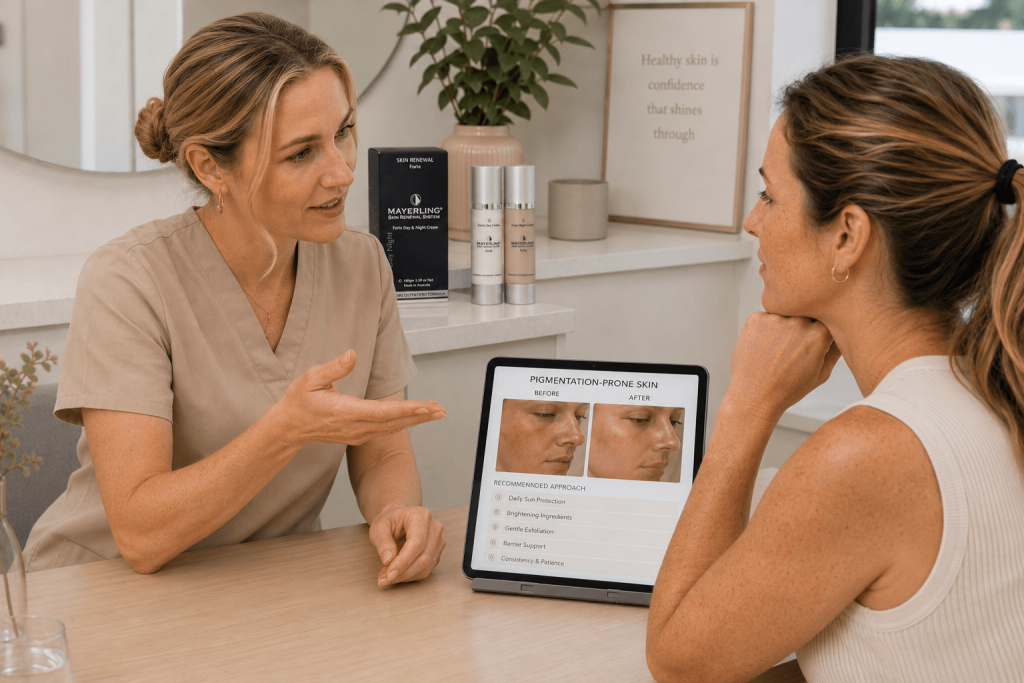
Can Bearberry Extract and Vitamin C Be Used Together?
Yes, bearberry extract and vitamin C may be used together in some morning and evening skincare routines, depending on formulation and skin tolerance.
For clinics and spas, this creates an opportunity to design more personalised homecare plans. Some clients may use vitamin C in the morning under sunscreen and a bearberry-containing product at another time of day, while others may use a formulation that combines multiple brightening ingredients.
However, more actives are not always better. Pigmentation-prone skin can worsen when the barrier is irritated, especially in clients prone to post-inflammatory hyperpigmentation. Professionals should assess the full routine, including exfoliating acids, retinoids, peels, needling, laser or other treatments.
A balanced approach is usually more effective than overwhelming the skin.
Why SPF is essential in every pigmentation routine
No pigmentation routine is complete without daily sun protection.
Sun exposure can darken existing pigmentation and trigger new pigment formation. The American Academy of Dermatology states that sunlight can cause the skin to make more pigment, which can worsen melasma and cause new patches. It recommends broad-spectrum sunscreen, shade and protective clothing as part of melasma care.
For Australian clinics and spas, this message is especially important. In Sydney, the Northern Beaches and other high-UV regions, clients may be exposed to significant incidental sun through driving, walking, exercising outdoors or spending time near the beach.
Brightening ingredients such as bearberry extract and vitamin C can support the appearance of pigmentation-prone skin, but SPF helps protect the progress clients are trying to achieve.
Professional recommendations should reinforce:
- Daily broad-spectrum sunscreen
- Reapplication when outdoors
- Hats and sunglasses
- Shade where possible
- Avoiding unnecessary UV exposure
- Consistent homecare between appointments
Without sun protection, pigmentation is more likely to persist, worsen or return.
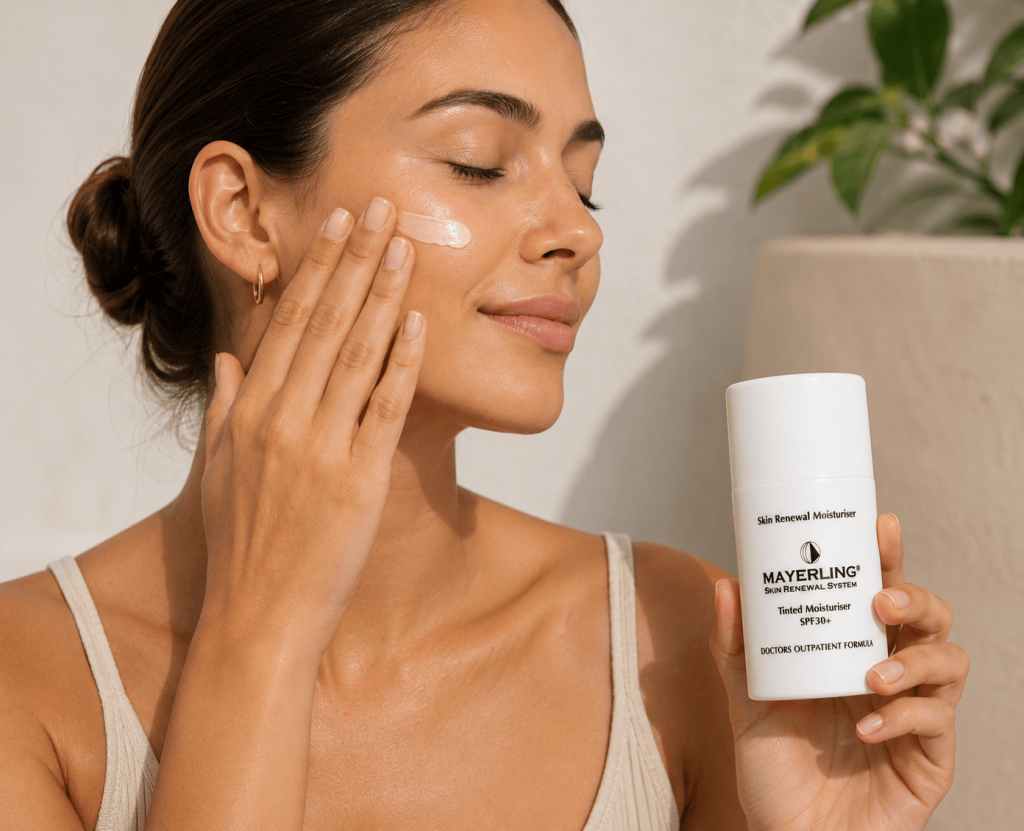
How This Comparison Helps Professional Retail Conversations
For clinics and spas, ingredient education is a powerful way to build trust. Many clients arrive having heard about vitamin C, arbutin or “natural brightening ingredients”, but they may not understand which option suits their skin.
A clear explanation of bearberry extract and vitamin C can help professionals recommend products with confidence.
For example:
- A client with sensitive skin and mild uneven tone may be guided towards bearberry extract.
- A client with dull, sun-exposed skin may benefit from vitamin C and SPF education.
- A client undergoing pigmentation treatments may need a supportive homecare routine to maintain results.
- A client with suspected melasma may need referral, careful management or a more structured treatment plan.
This helps shift the conversation away from “one miracle product” and towards a professional, long-term skincare plan.
Supporting Client Results Between Appointments
Professional pigmentation homecare products that support the skin barrier may help clients maintain treatment results between appointments.
Clients often need guidance on what to use, when to use it and what to avoid. A well-chosen brightening product can support treatment outcomes, improve client compliance and create a stronger connection between in-clinic services and retail skincare.
For clinics and spas, this is also a valuable business opportunity. Pigmentation is a recurring client concern, and professional homecare allows businesses to support clients beyond the treatment room.
When recommending products, skin professionals should consider:
- The client’s pigmentation type
- Fitzpatrick skin type
- Sensitivity and barrier health
- Current skincare routine
- Treatment history
- Lifestyle and UV exposure
- Pregnancy or hormonal factors where relevant
- Realistic timeframes and expectations
How Mayerling Skincare Supports Professional Pigmentation Care
Mayerling Skincare is designed to support professional skin clinics, spas and beauty businesses with retail skincare products that complement client education and homecare routines.
For pigmentation-prone clients, ingredients such as bearberry extract and vitamin C can help professionals build targeted brightening routines that support the appearance of clearer, more even-looking skin.
By stocking professional skincare, clinics and spas can:
- Offer clients guided homecare recommendations
- Support treatment results between appointments
- Build retail revenue around common skin concerns
- Strengthen client trust through education
- Provide consistent product solutions for pigmentation, dullness and uneven tone
The key is professional guidance. Clients are more likely to use products correctly when they understand why each ingredient has been recommended and how it fits into their broader skin goals.
Become a Mayerling Skincare Stockist
Pigmentation is one of the most common concerns discussed in skin clinics and spas, making brightening skincare an important part of any professional retail offering.
By becoming a Mayerling Skincare stockist, your clinic or spa can provide clients with professional skincare options that support pigmentation-prone skin, uneven tone and radiance.
Interested in offering Mayerling Skincare in your clinic or spa? Become a Mayerling Skincare stockist and support your clients with professional brightening skincare for homecare and maintenance.
Find a Mayerling Skincare Stockist
For clients, professional guidance can make a significant difference when choosing pigmentation skincare. A trained skin professional can help assess whether bearberry extract, vitamin C or another brightening ingredient is suitable for your skin.
Looking for professional skincare advice? Find a Mayerling Skincare stockist near you and speak with a skin professional about the right products for pigmentation, uneven tone and brighter-looking skin.
Frequently Asked Questions
Is bearberry extract good for pigmentation?
Bearberry extract is commonly used in brightening skincare because it contains arbutin, a compound associated with helping reduce the appearance of uneven pigmentation. It may be suitable for clients looking for a gentler, plant-derived brightening ingredient.
Is vitamin C good for pigmentation?
Yes. Vitamin C is widely used for pigmentation-prone and dull skin because it supports a brighter, more even-looking complexion and provides antioxidant protection. It is often recommended in morning routines with sunscreen.
Is bearberry extract better than vitamin C?
Not necessarily. Bearberry extract may be better suited to clients seeking gentle pigmentation support, while vitamin C may be better for clients wanting antioxidant benefits, radiance and support for sun-exposed skin. The best choice depends on the client’s skin type and pigmentation concern.
Can clinics retail both bearberry extract and vitamin C products?
Yes. Offering both ingredients allows clinics and spas to tailor recommendations to different client needs. Bearberry extract may suit gentle brightening routines, while vitamin C may suit clients focused on radiance, environmental protection and uneven tone.
How long does pigmentation skincare take to work?
Pigmentation skincare usually takes time and consistency. Clients may need several weeks to months to see visible changes, depending on the cause, depth and severity of the pigmentation. Daily SPF is essential to help prevent pigmentation from worsening or returning.
Final Thoughts
Bearberry extract and vitamin C both have a valuable place in professional pigmentation skincare.
Bearberry extract is often chosen for gentle, plant-derived brightening support, particularly for clients with mild uneven tone or sensitivity concerns. Vitamin C is ideal for clients wanting radiance, antioxidant protection and support for sun-exposed or dull skin.
For clinics and spas, the opportunity is not about choosing one ingredient for every client. It is about using professional knowledge to recommend the right ingredient for the right skin at the right time.
Become a Mayerling Skincare stockist to offer professional brightening skincare in your clinic or spa.
Find a Mayerling Skincare stockist to receive personalised skincare advice from a trained professional.
