
What Is Hyaluronic Acid?
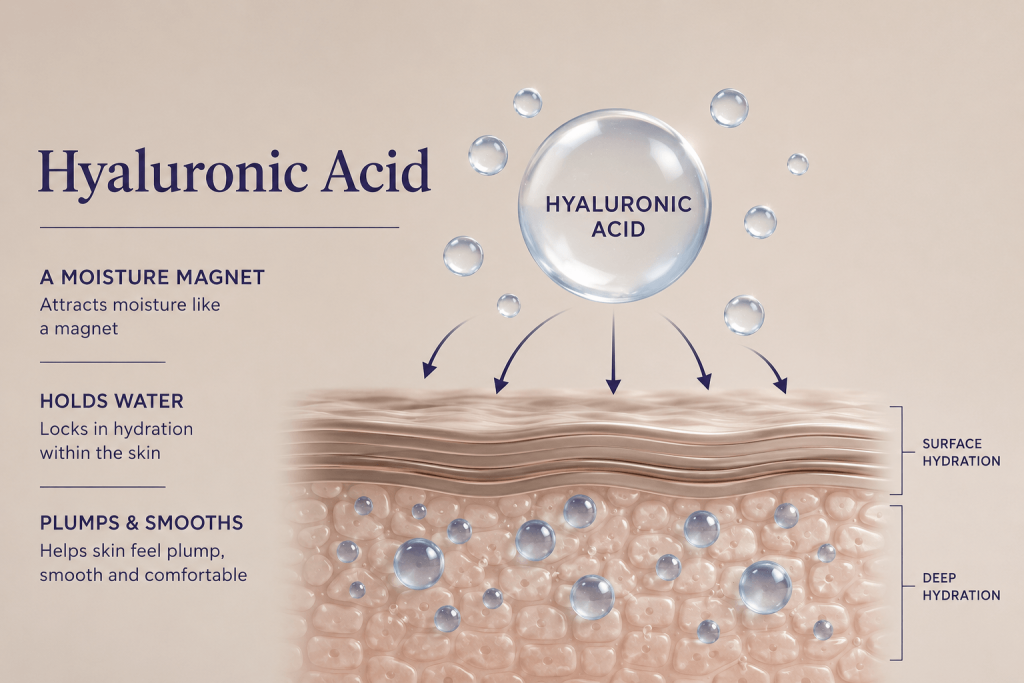
Hyaluronic acid is one of the most widely recognised hydrating ingredients in skincare, and for good reason. It is a naturally occurring molecule that holds an exceptional amount of water, making it central to how skin stays plump, smooth and comfortable.
How It Occurs Naturally in the Skin
The skin produces its own hyaluronic acid, where it sits within the extracellular matrix and helps maintain hydration and elasticity. Levels naturally decline with age and exposure to environmental stress, which is why skin can start to feel tighter or look less plump over time, and why topical application becomes a useful way to support what the skin can no longer produce on its own.
Why It Is Described as a Moisture Magnet
Hyaluronic acid is often called a moisture magnet because it can attract and hold significant amounts of water within its structure. When applied topically, it draws moisture to the surface of the skin and helps keep it there, which is the foundation of its hydrating reputation.
The Main Benefits of Hyaluronic Acid for Skin
Plumping Fine Lines and Improving Bounce
One of the most visible hyaluronic acid benefits for skin is a softer, plumper appearance. By replenishing moisture at the surface, fine lines associated with dehydration can appear less pronounced, and skin tends to look and feel bouncier.
Replenishing Moisture Without Feeling Heavy
Unlike heavier occlusive ingredients, hyaluronic acid delivers hydration in a lightweight form. This makes it suitable for layering under other products without feeling greasy, and a practical choice for those who want a hydrating serum for skin that will not disrupt makeup or sit heavily under sunscreen.
Supporting Barrier Function Alongside Other Actives
Well-hydrated skin is better equipped to tolerate other active ingredients. Hyaluronic acid can help the skin manage actives like retinol or exfoliating acids more comfortably, supporting overall barrier resilience as part of a broader routine. A properly hydrated barrier is also less prone to visible sensitivity, tightness and flaking, which is why hydration is often the first thing addressed before introducing stronger actives into a routine.
Signs Your Skin Needs More Hydration
Dehydrated Versus Dry Skin, What Is the Difference
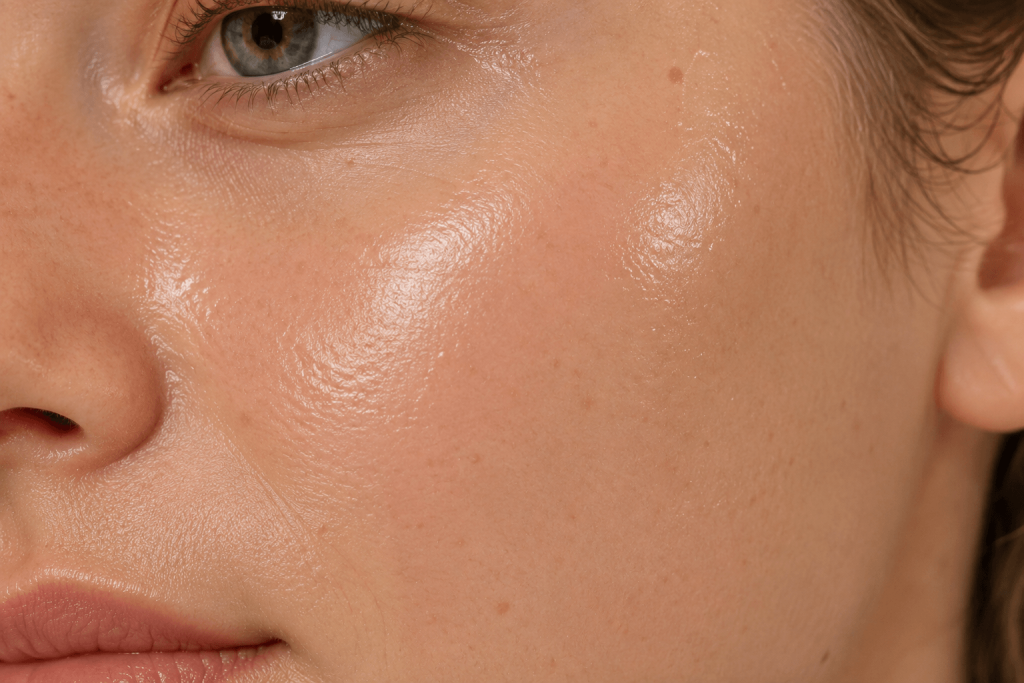
These two terms are often used interchangeably, but they describe different things. Dry skin is a skin type that lacks natural oils, while dehydration is a temporary condition caused by a lack of water, and it can affect any skin type, including oily skin. This distinction matters, because a hyaluronic acid serum addresses water loss specifically, which is why it can benefit almost anyone, regardless of their underlying skin type.
Common Causes of Dehydrated Skin in Australia
Australian conditions play a real role here. Dry winters, extended time in air conditioning and high sun exposure all contribute to water loss from the skin’s surface. Over time, this can leave skin feeling tight or looking dull, even in those who would otherwise describe their skin as oily or combination. Coastal humidity shifts and frequent indoor heating and cooling can compound the issue further, meaning many people experience dehydrated skin seasonally without necessarily linking it back to these everyday environmental factors.
How to Use Hyaluronic Acid for Best Results
Applying to Damp Skin for Maximum Effect
How to use hyaluronic acid effectively comes down to application. Because it draws moisture from its surroundings, applying it to slightly damp skin, rather than fully dry skin, helps it pull hydration into the skin rather than from the air, giving noticeably better results.
What to Layer It With
Hyaluronic acid works well as an early, hydrating layer in a routine. It pairs comfortably with most other actives, including vitamin C and niacinamide, and should generally be followed by a moisturiser to help lock in the hydration it has drawn to the surface.
Morning, Night or Both
Hyaluronic acid is gentle enough for both morning and evening use. Many people apply it twice daily as a hydrating base layer, adjusting frequency depending on how their skin feels in different seasons or climates.
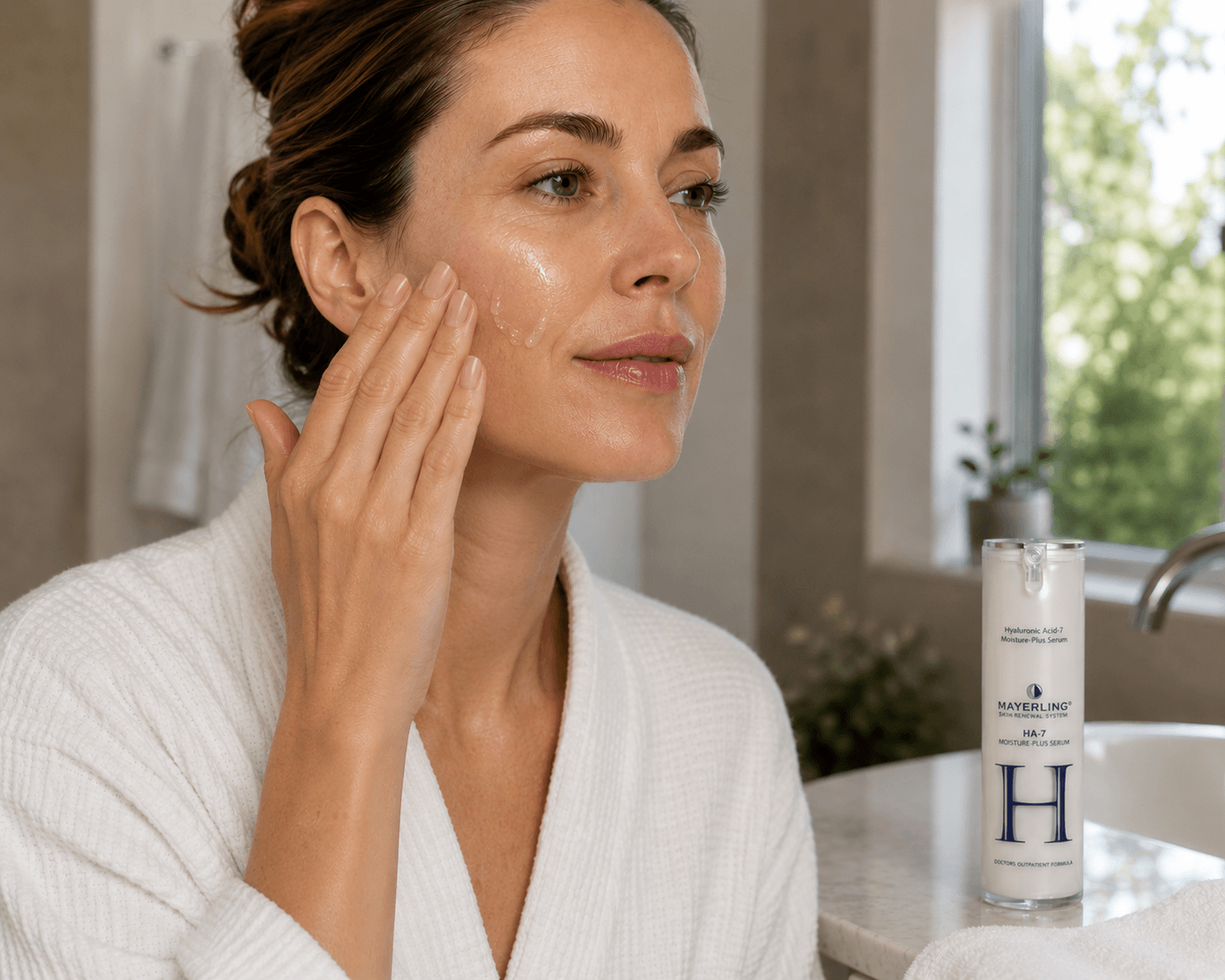
For those looking for the best hyaluronic acid serum to build a hydration-focused routine around, the HA-7 Moisture-Plus Serum is Mayerling’s dedicated formulation built around this ingredient, designed to support lasting hydration without feeling heavy on the skin.
Readers wanting a deeper technical breakdown can refer to the Ingredient Glossary, while those newer to the category may find it useful to read What Is Cosmeceutical Skincare? Understanding the Mayerling Difference for context on how hydration fits alongside Mayerling’s broader, results-driven approach. For those interested in how hydration supports skin renewal more broadly, How Chemical Peels Accelerate Cell Turnover and Improve Skin Function is a useful companion read, since resurfacing and hydration work hand in hand as part of a complete routine.
According to Brisbane-based dermatologist Dr Davin Lim, hyaluronic acid can also enhance the delivery of other key actives by improving overall skin hydration, reinforcing its role as a supportive base ingredient rather than a standalone treatment, as outlined in his dermatologist guide to hyaluronic acid.
Mayerling’s hydration range is available through stockist clinics across Sydney and the Northern Beaches, with national coverage including Brisbane and Queensland clinics. Readers wanting personalised advice on building a hydration-focused routine are encouraged to find their nearest stockist for guidance suited to their skin.
