
What Is Niacinamide?
Niacinamide is a form of vitamin B3, prized in skincare for its ability to support tone, texture and barrier strength without irritating the skin. It is water-soluble, which means it is easily absorbed and works alongside the skin’s own natural processes rather than against them.
Where Niacinamide Comes From and How It Works
Vitamin B3 occurs naturally in foods such as meat, fish, nuts and leafy greens, but the body cannot store it, so topical application is the most reliable way to deliver a meaningful concentration directly to skin cells. Once absorbed, niacinamide supports the production of proteins and lipids that make up the skin’s outer barrier, which is why its benefits tend to show up gradually rather than overnight.
Why It Is Often Called a Multi-Tasking Ingredient
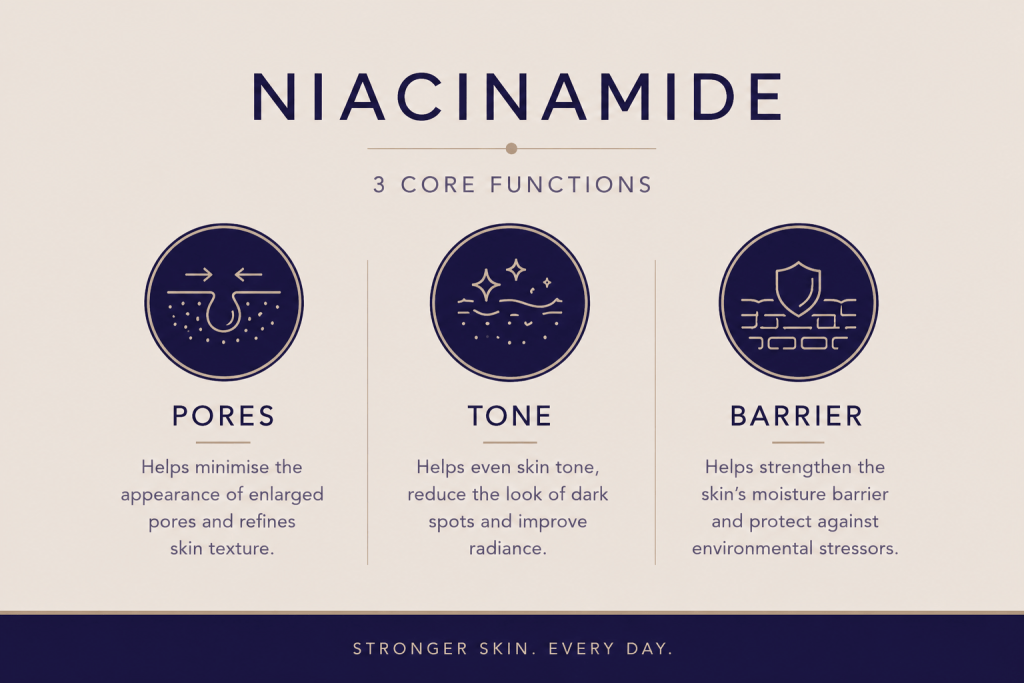
Few active ingredients address as many concerns at once. Niacinamide is associated with refined pores, more even tone, a stronger barrier and better resilience to environmental stress, all from a single ingredient. This breadth is part of why it has become one of the most searched skincare ingredients globally, and why it deserves a dedicated explanation rather than a passing mention.
The Main Benefits of Niacinamide for Skin
Refining Pores and Improving Texture
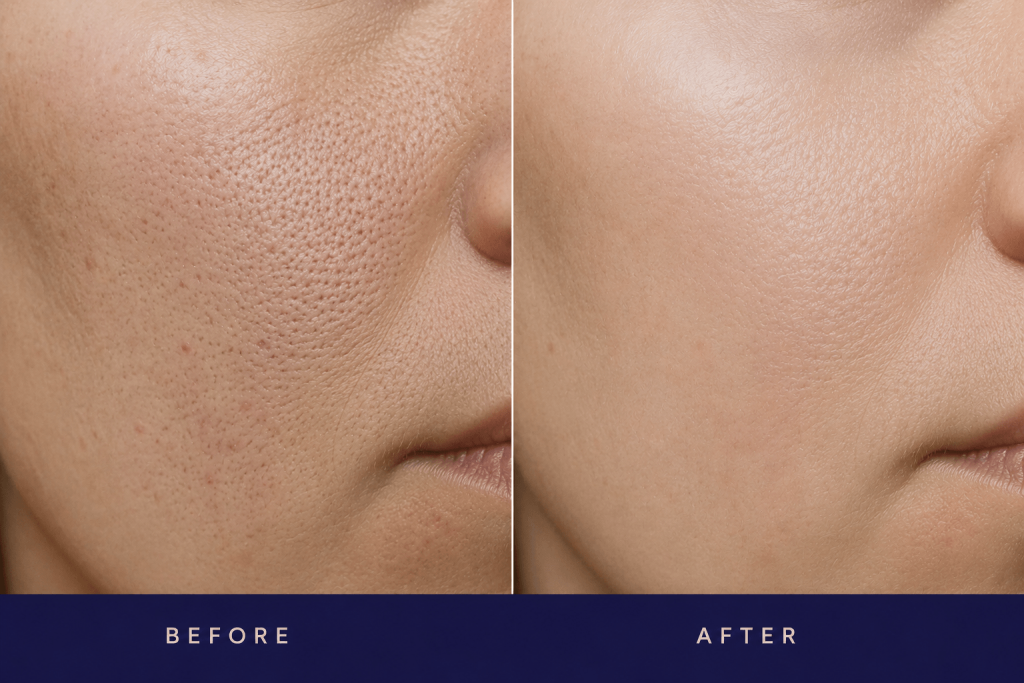
One of the most requested outcomes in skincare is smoother, less congested-looking skin, and this is where niacinamide benefits for skin are most visible. With consistent use, niacinamide can help regulate oil production, which in turn supports a smoother surface and a reduction in the appearance of enlarged pores. This makes it a popular choice for niacinamide for pores and texture concerns, particularly for those who deal with shine or occasional congestion.
Supporting Tone and Reducing the Look of Redness
Niacinamide also plays a role in evening out skin tone. It has a calming effect on the skin’s surface, which can help reduce the appearance of blotchiness and redness over time. For those managing uneven pigmentation, regular use alongside a considered routine can contribute to a brighter, more uniform-looking complexion.
Strengthening the Skin Barrier Over Time
Perhaps the most important, if least glamorous, benefit of vitamin B3 skincare is its role in barrier support. A stronger barrier means better moisture retention, reduced sensitivity to environmental stressors and skin that is generally more resilient day to day. This benefit builds cumulatively, which is why niacinamide is best understood as a long-term addition to a routine rather than a quick fix.
Who Benefits Most From Niacinamide?
Congested or Oily Skin
Those with congested or oil-prone skin often see the clearest results, as niacinamide’s role in balancing sebum production directly addresses the look of clogged pores and uneven texture.
Sensitive or Reactive Skin
Niacinamide for sensitive skin is a natural fit, as it is generally well tolerated and can help calm the appearance of irritation while still delivering visible improvements in tone and texture. This makes it one of the few actives that can be introduced without the usual caution required for stronger exfoliating ingredients.
Ageing or Uneven Toned Skin
For those focused on the visible signs of ageing, niacinamide’s contribution to elasticity and barrier function makes it a useful companion to other actives, supporting skin that looks firmer and more even over time.
How to Introduce Niacinamide Into a Routine
How Often to Use It
Niacinamide is gentle enough for daily use, morning and night, once skin has adjusted. New users are generally advised to start with once-daily application before building up to twice a day if tolerated well.
What Niacinamide Pairs Well With
Unlike some actives, niacinamide plays well with others. It can be layered with vitamin C, hydrators and most exfoliating acids, making it a flexible base for building out a broader routine rather than a standalone treatment.
Common Mistakes When Starting Out
The most common mistake is expecting fast results. Because niacinamide works by supporting the skin’s own barrier and regulatory functions, visible change tends to build over weeks rather than days. Layering too many new actives at once, rather than introducing niacinamide on its own first, can also make it harder to know what is actually working.
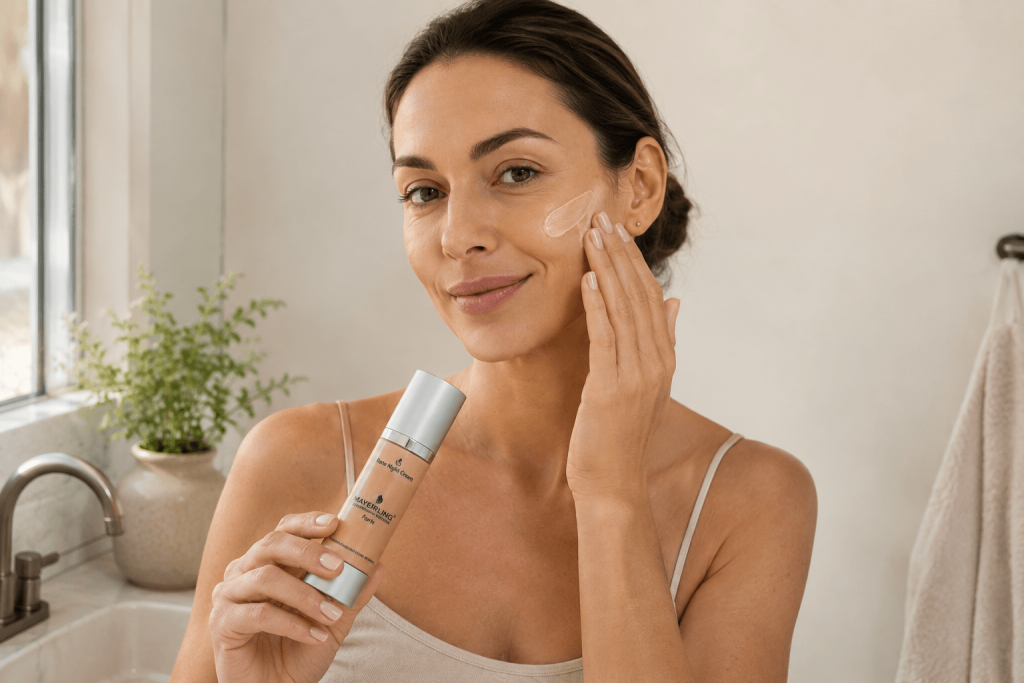
For those wanting a formulation that delivers niacinamide alongside other supportive ingredients, the Forte Day and Night Face Creams are Mayerling’s primary niacinamide-containing product, designed to support tone, texture and barrier function as part of a daily routine. For the eye area specifically, the Eye Cream offers the same ingredient in a formulation suited to more delicate skin.
Readers who want a deeper technical breakdown of how niacinamide is classified and sourced can refer to the Ingredient Glossary, while those newer to the category may find it useful to first read What Is Cosmeceutical Skincare? Understanding the Mayerling Difference for broader context on how ingredients like niacinamide fit into a science-first approach. Professionals working with clients on ingredient selection may also find How to Choose the Best Vitamin C Serum for Your Salon a useful companion read, since niacinamide and vitamin C are frequently paired in professional recommendations.
According to Australian dermatology-guided treatment resources, topical vitamin B3 is one of the most widely studied ingredients in skincare, supporting improvements in pigmentation, redness and barrier function while remaining generally well tolerated across skin types, as outlined by Spot Check Clinic.
Mayerling products containing niacinamide are available through stockist clinics across Sydney and the Northern Beaches, with national coverage including Brisbane and Queensland clinics. Readers wanting personalised advice on introducing niacinamide into their routine are encouraged to find their nearest stockist for guidance tailored to their skin.
