
Professional skin treatments can make a meaningful difference to the look and feel of your skin. Whether you are having a customised facial, chemical peel, LED therapy, skin needling, laser treatment or a targeted skin programme, your appointment is only one part of the journey.
The care you provide your skin between appointments plays an important role in how well your results are maintained. A suitable homecare routine can help support recovery, reduce unnecessary irritation and protect the improvements achieved through professional treatments.
At Mayerling Skincare, we see homecare as part of the treatment plan, not an optional extra. When professional treatments and personalised skincare routines work together, your skin has a better chance of looking calmer, healthier and more consistent over time.
Homecare is important because it helps support your skin while it recovers from treatment, protects your results and reduces the risk of irritation. A personalised routine that includes gentle cleansing, hydration, barrier support and daily sun protection can help maintain treatment outcomes and prepare your skin for future appointments.
Understanding why homecare matters starts with knowing what role it plays in professional skincare and how it supports your skin between treatments.
What Is Homecare in Professional Skincare?
Homecare refers to the skincare routine you use between professional treatments. This may include your cleanser, serums, moisturiser, sunscreen and any treatment-specific products recommended by your skin therapist.
It is different from simply buying popular skincare products or following a routine seen online. Professional homecare is selected based on your skin type, skin condition, treatment history, lifestyle and goals.
For example, someone having a hydrating facial may need a different routine from someone having a peel for congestion or pigmentation. A client with sensitive skin may need a slower, more supportive approach than someone with resilient, oilier skin. The best routine is not always the most active or complicated. Often, the most effective post-treatment routine is gentle, consistent and carefully timed. Using professional skincare products recommended by your therapist can help ensure your homecare routine supports both your skin condition and treatment goals.
Why Your Skin Needs Support After a Treatment
Many professional treatments work by creating a controlled response in the skin. This may involve exfoliation, stimulation, hydration, calming, resurfacing or collagen-supportive processes. Depending on the treatment, your skin may feel warmer, drier, tighter, more sensitive or slightly flushed afterwards.
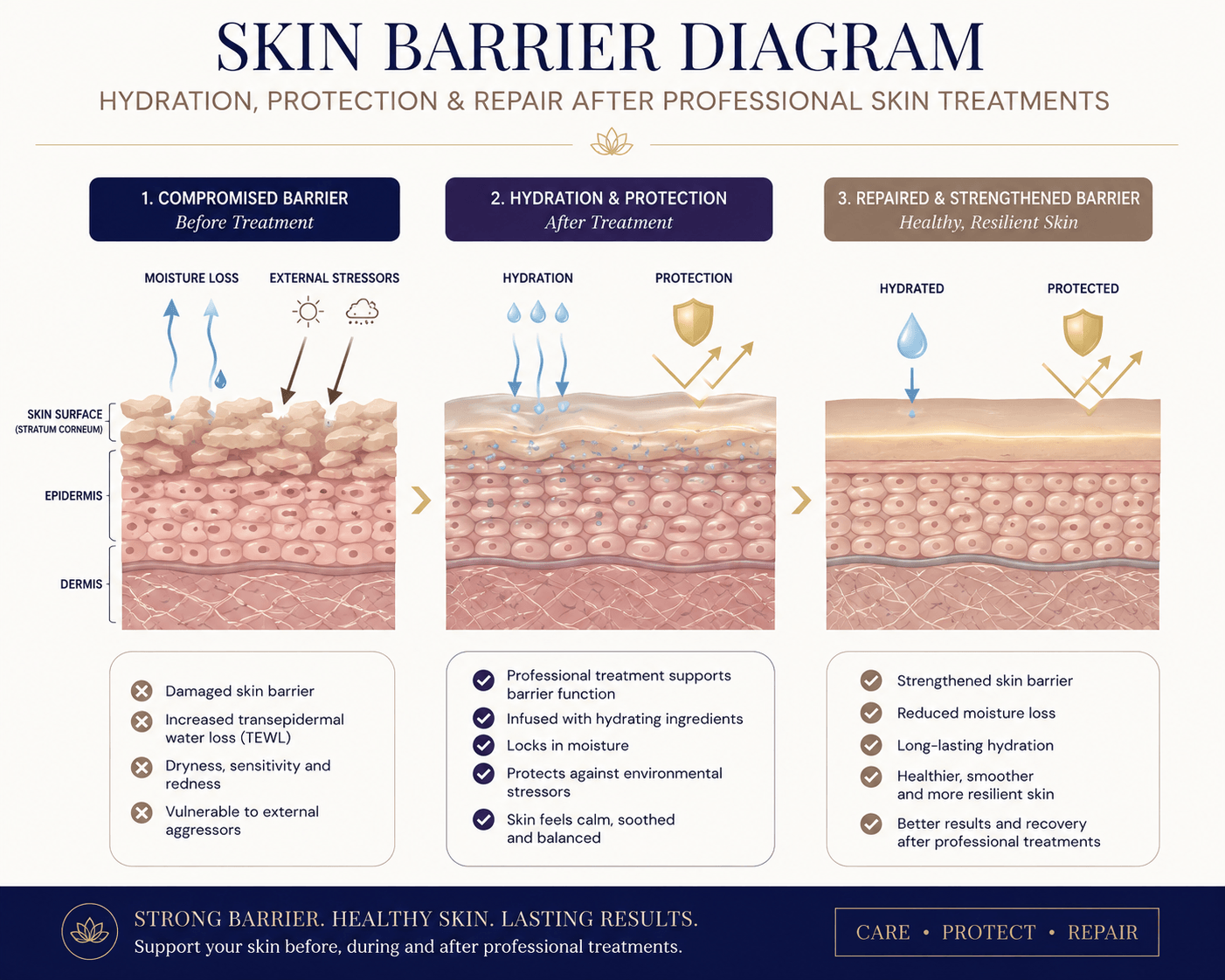
This is why aftercare matters. Your skin barrier plays an important role in helping the skin retain hydration and defend itself from external stressors. When the skin barrier is temporarily more vulnerable, harsh products, excessive exfoliation, sun exposure or strong active ingredients can increase the chance of irritation.
Research into post-laser resurfacing care highlights that topical aftercare may help support healing and reduce unwanted effects such as redness and pigmentation changes, while also noting the importance of using appropriate products that do not create further complications.
In simple terms, homecare matters after professional skin treatments because it helps protect the skin, support recovery and maintain the improvements created in the clinic.
How Homecare Helps Maintain Treatment Results
A professional treatment can give your skin a strong boost, but daily habits influence how well those results last.
A well-planned homecare routine can help:
- keep the skin hydrated
- support the skin barrier
- reduce avoidable irritation
- protect against UV-related pigmentation
- maintain a smoother, brighter appearance
- prepare the skin for future treatments
- support longer-term progress with concerns such as acne, ageing, congestion and uneven tone
This is especially important for clients treating pigmentation or sun damage in Sydney, where outdoor lifestyles and high UV exposure can quickly affect the skin. Without daily sun protection and the right maintenance products, pigmentation can become more noticeable again, even after a successful treatment programme.
The Role of Sunscreen After Skin Treatments
Sunscreen is one of the most important parts of post-treatment skincare. After many professional treatments, the skin may be more sensitive to sunlight. UV exposure can contribute to redness, pigmentation, premature ageing and reduced treatment longevity.
Cancer Council Australia recommends sun protection when the UV Index is 3 or above, including SPF50 or SPF50+ broad-spectrum, water-resistant sunscreen as part of a broader sun protection approach.
In Australia, therapeutic sunscreens are regulated by the Therapeutic Goods Administration for safety, quality and effectiveness when they make sun protection claims.
For post-treatment care, sunscreen should usually be applied every morning and reapplied as needed, especially if you are outdoors, sweating, swimming or spending time near reflective surfaces such as water. For clients around the Northern Beaches, Manly, Dee Why and broader Sydney coastline, this is particularly important.
Sunscreen should not be the only form of protection. Hats, sunglasses, shade and avoiding unnecessary peak UV exposure can all help protect treated skin.
Common Homecare Mistakes After Skin Treatments
One of the most common mistakes after a professional skin treatment is doing too much too soon. Many people want to speed up their results by adding exfoliants, retinol or strong active serums straight away. In reality, this can overload the skin and delay recovery.
Common post-treatment mistakes include:
- using retinol or exfoliating acids too soon
- applying strong vitamin C products before the skin is ready
- scrubbing or using cleansing brushes
- using fragranced or harsh products
- skipping moisturiser because the skin feels oily
- forgetting sunscreen
- applying makeup too soon when advised to wait
- exposing the skin to heat, saunas, hot yoga or intense exercise too early
Your skin therapist should explain what to pause, what to continue and when to restart your usual active ingredients. These instructions can vary depending on the treatment, so it is important not to rely on generic advice.
What Should a Post-Treatment Skincare Routine Include?
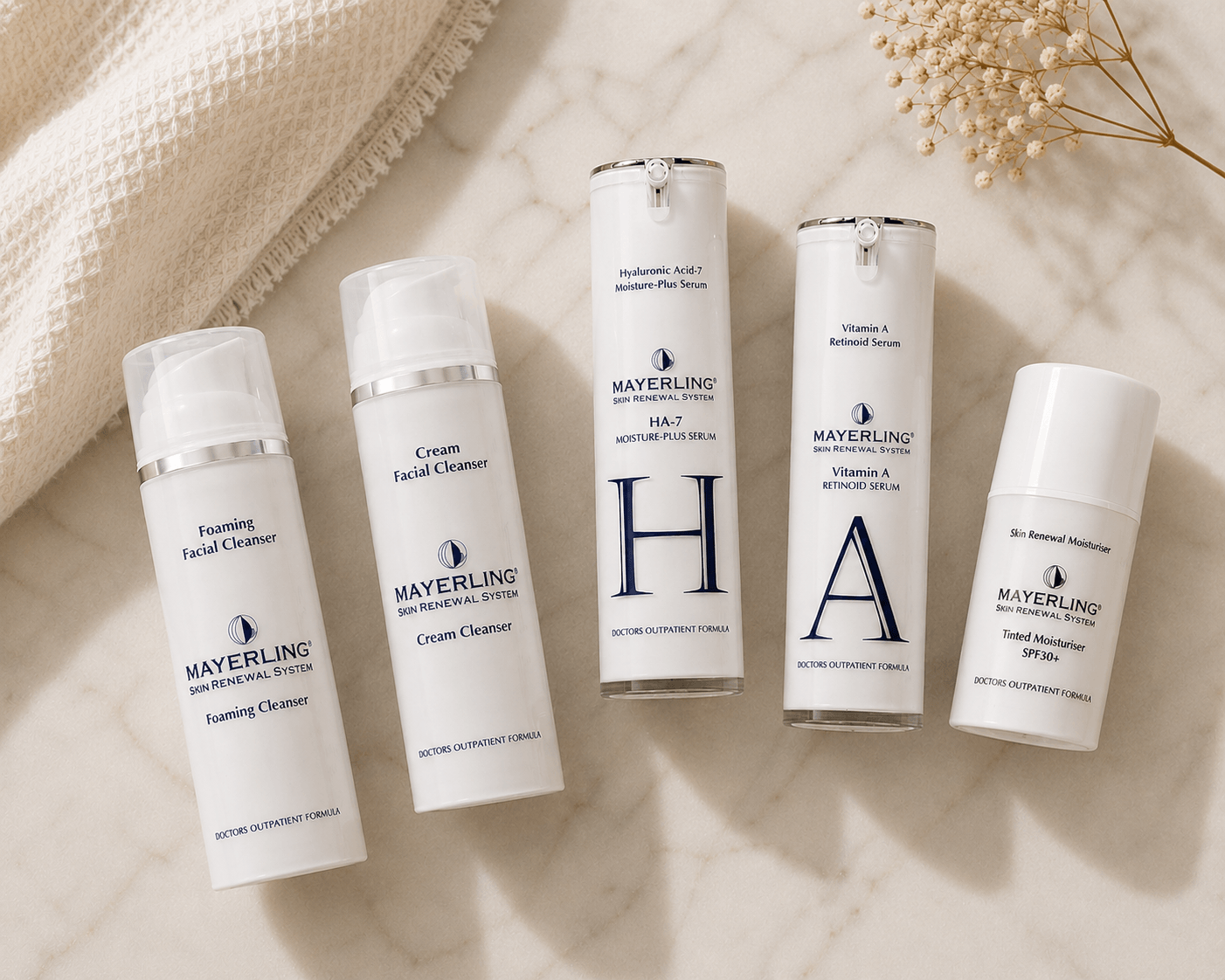
A post-treatment routine should usually be simple, supportive and tailored to your skin. While every plan should be personalised, most routines focus on four key steps.
Gentle Cleansing
After a treatment, the skin should be cleansed gently. Avoid scrubs, exfoliating cleansers, cleansing brushes and hot water unless your clinician has specifically advised otherwise.
A gentle cleanser helps remove sunscreen, makeup and daily impurities without stripping the skin barrier.
Hydration
Hydrating products, including a suitable hydrating serum, can help the skin feel more comfortable after treatment. Ingredients such as hyaluronic acid, glycerin or other humectants may be recommended depending on your skin and treatment type.
Hydration is particularly useful if your skin feels tight, dry or temporarily rough after exfoliating or rejuvenation treatments.
Barrier Support
A good moisturiser helps reduce transepidermal water loss and supports the skin barrier. After some treatments, your skin therapist may recommend a richer moisturiser or recovery cream for a short period.
This step is especially important for sensitive, dry or compromised skin.
Daily SPF
Broad-spectrum sunscreen is essential after most professional skin treatments. It helps protect the skin from UV exposure and supports the longevity of results, especially when treating pigmentation, uneven tone, ageing or sun damage.
When Can You Restart Active Ingredients?
This depends on the treatment you have had and how your skin responds.
Active ingredients such as retinoids, exfoliating acids, strong vitamin C serums and acne actives may need to be paused before and after certain treatments. Restarting them too quickly can cause stinging, dryness, peeling or inflammation.
As a general principle, your skin should feel calm and comfortable before stronger actives are reintroduced. Your clinician may recommend restarting gradually rather than returning to your full routine immediately.
This is one of the reasons professional guidance is so valuable. The right timing can help you continue progressing without overwhelming the skin.
Why Personalised Homecare Matters
No two skins respond in exactly the same way. The best aftercare plan depends on your treatment, skin condition, sensitivity level, lifestyle and long-term goals.
For example, an acne-prone client may need products that support the barrier without clogging the skin. A pigmentation-focused client may need brightening support and strict SPF habits. A client having collagen-supportive treatments may need hydration, barrier care and a gradual return to active ingredients.
Personalised homecare also helps skincare professionals monitor treatment progress and make adjustments when needed. If skin becomes irritated, dry, congested or reactive between appointments, product recommendations and aftercare guidance can be refined to better support ongoing results.This ongoing refinement is part of building healthier, more resilient skin over time.
Homecare Is Not About Using More Products
A good skincare routine does not need to be complicated. In many cases, using fewer products more consistently gives better results than using too many active ingredients without guidance.
The goal of homecare is to support your skin, not stress it. This is particularly important after professional treatments, when the skin may need time to settle.
Your routine should be easy enough to follow every day. If it feels confusing or unrealistic, it may need to be simplified.
How Mayerling Skincare Supports Clients After Treatment
At Mayerling Skincare, we support skincare professionals with products and resources that help them deliver personalised aftercare recommendations. By combining professional treatments with treatment-supportive homecare, clinics can help clients maintain healthier, more consistent skin between appointments.
This may include advice on:
- what to use immediately after treatment
- which products to pause
- when to restart active ingredients
- how often to apply moisturiser and SPF
- what to avoid in the first few days
- how to maintain results between appointments
- how to support treatment results between professional appointments
For clients across Sydney, the Northern Beaches, Manly, Dee Why and Brookvale, this localised advice is especially important. Climate, sun exposure, lifestyle and daily routines can all influence how your skin behaves after treatment.
Final Thoughts: Your Treatment Continues at Home
Professional skin treatments can help improve hydration, texture, clarity, tone and overall skin radiance. However, the results are strongly influenced by what happens after you leave the clinic.
Homecare helps protect your investment. It supports recovery, reduces avoidable irritation and helps maintain the improvements achieved through professional treatments.
The most effective approach is not to guess, over-treat or follow trends. Working with a qualified skincare professional can help ensure your treatments and homecare routine are aligned with your skin’s needs. If you are looking for personalised skincare guidance, find a clinic that offers professional treatment plans supported by Mayerling Skincare products.
At Mayerling Skincare, we believe great skin is built through a combination of professional care, personalised home routines and consistent education. Choosing the right professional skincare products and following personalised advice can help make every treatment more worthwhile.
FAQs About Homecare After Professional Skin Treatments
Skin treatment aftercare FAQs
Why is homecare important after a skin treatment?
Homecare is important because it helps support the skin while it recovers after treatment. A suitable routine can help maintain hydration, protect the skin barrier, reduce unnecessary irritation and support longer-lasting results.
What skincare should I use after a professional facial?
After many professional facials, a simple routine with gentle cleansing, hydration, moisturiser and sunscreen is recommended. Your skin therapist may also suggest treatment-specific products depending on your skin type and the facial performed.
Can I use retinol after a skin treatment?
Retinol may need to be paused for a short period after certain treatments. The timing depends on the treatment, your skin’s sensitivity and your clinician’s advice. It is best to restart active ingredients gradually once the skin feels calm.
Why do I need sunscreen after a skin treatment?
Sunscreen helps protect treated skin from UV exposure, which can contribute to pigmentation, redness and premature ageing. It is especially important after treatments that exfoliate, resurface or stimulate the skin.
How long should I follow aftercare instructions?
Follow your clinician’s aftercare instructions for the full recommended period. Some treatments require only a few days of modified skincare, while others may need longer support and a gradual return to active ingredients.
Find a Clinic or Become a Stockist
Whether you are looking for professional skincare treatments supported by treatment-focused homecare or you are a clinic, salon or skin professional interested in offering Mayerling Skincare products, we can help.
Looking for professional skincare advice? Find a clinic that stocks Mayerling Skincare products and receive personalised treatment and homecare recommendations.
Interested in stocking Mayerling Skincare? Learn more about becoming a stockist and providing your clients with professional skincare solutions designed to support treatment results.
